
THOUGHT EXPERIMENTS IN PUBS
TEiP DEEP 35
MILLION BUBBLES
SPOILER ALERT
SPOILER ALERT
Here is the Thought Experiment that we’ll discuss at TEiP DEEP.
It is broken into three chapters.
I recommend waiting to read the chapters sequentially at the event
…but if you’d like to know what they are ahead of time, here you go… :-)

CHAPTER 1
The motorway is gridlocked. Picture that scene from La La Land where they get out of their cars and start dancing.
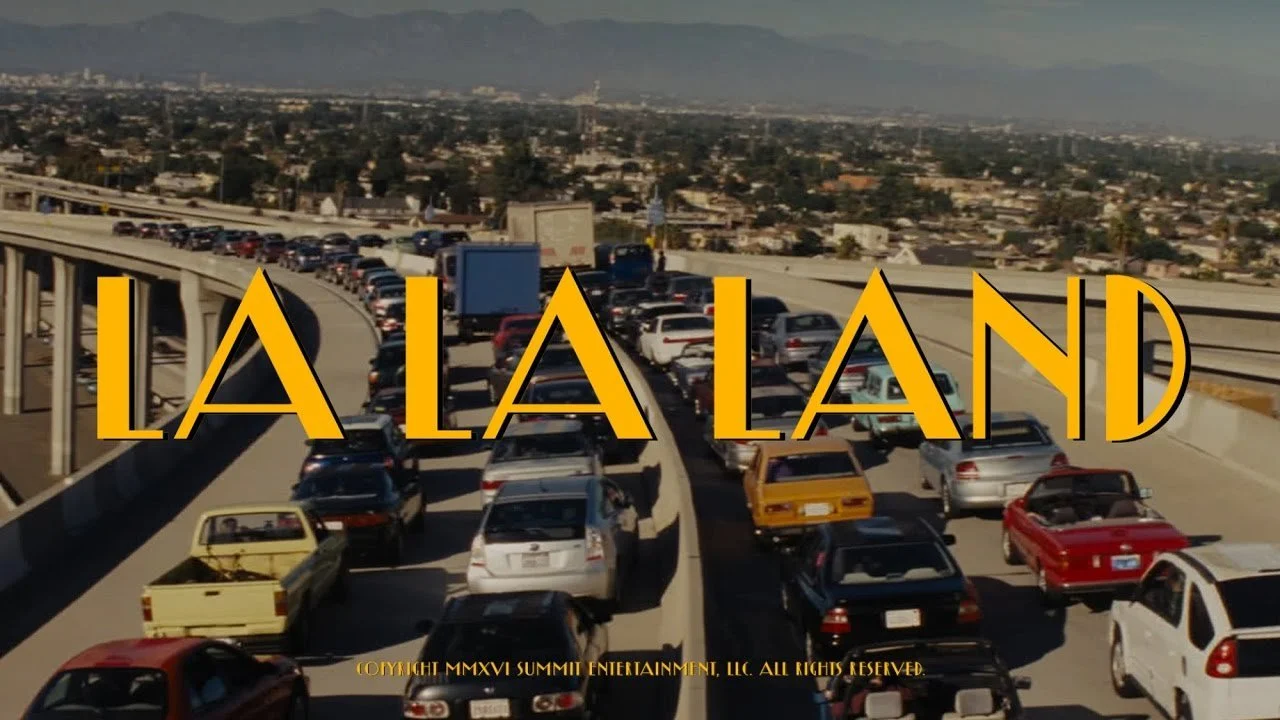
You glance over to the car on your left. The man driving is frowning hard. His knuckles are white on the steering wheel. He sighs deeply and for a moment rests his head on the steering wheel.
Looking to the right, you see a woman with a wide grin. She seems to be dancing in her seat, moving along to music. She’s talking, or singing along with the music. Her smile is contagious, it makes you smile.
Looking in your rearview mirror, at the car behind you, you see a blank faced woman at the wheel. She looks totally zoned out. She is either lost in her thoughts or very zen.
QUESTIONS TO CONSIDER:
How did you picture these people from the descriptions given above? Age? Appearance? What kinds of cars do you imagine each person driving?
Any other stories you can make up about these individuals?
If they looked at you, what would they see? How might they judge you?
Are all of you drivers having the same experience? Or different experiences?
How much can you tell about a person from their appearance/behaviour? How much should we trust these judgments?
CHAPTER 2
The traffic begins crawling along.
Seizing an opportunity, a large Hummer with tinted windows cuts in front of the car to your left.
The angry-looking man in the car to your left honks his horn at the Hummer and shouts something that you can’t hear.
The Hummer then cuts in front of you. You brake hard, narrowly avoiding a collision.
The Hummer swerves a third time, in front of the car to your right. The woman driving the car to your right seems unbothered, she’s still singing along to her music.
Your passenger says:
“Wow, that was dangerous, and selfish. But then again, we have no idea what’s going on in that car. It’s not impossible that that Hummer is “being driven by a father whose little child is hurt or sick in the seat next to him, and he’s trying to get this kid to the hospital, and he’s in a bigger, more legitimate hurry than [we are]: it is actually [us] who are in HIS way.” (Wallace, 2025)”
QUESTIONS TO CONSIDER:
What do you think of your passenger’s remark?
Is it worth considering other, more forgivable stories when judging what on the surface of it is ‘bad’ behaviour?
Your passenger’s remark is derived from a speech by David Foster Wallace about humans’ natural tendency to assume that they are the main character of their own lives, unless they do the work of remembering that everyone else has a different perspective and story. How often do people step out of their own main-character perspective?
Is it important to consider other people’s points of view? Why/why not?
Does it make you feel better or worse to imagine everyone else as the main character of their own life?
CHAPTER 3
The traffic approaches a toll point.
When you reach the toll booth, ready to pay, something strange happens. Your vision begins to distort, everything around you looks wavy and translucent, like the focus is off.
Sound is distorted too, everything has blended into a low hum of white noise.
Over the top of the white noise, you hear a voice. It says:
“This highway is full of people in cars. Each person in their own little bubble, going about their own little life. Each person is totally unaware of what is going on in the lives of the people around them. We’re just millions of bubbles.
For the next week, you’ll experience someone else’s bubble. You will be a passenger in someone else’s mind, viewing life through their eyes.
When the week is up, you’ll arrive back here at the toll booth, ready to continue in your life again. You will retain your memory of the week spent in someone else’s bubble.
Do you have any requests for whose bubble you occupy? I’m not promising anything, most allocations are made randomly, but if I can give it a nudge I will.”
QUESTIONS TO CONSIDER:
Would you make a request?
Does the prospect of spending a week in someone else’s bubble intrigue or terrify you? Or do you feel something else about it?
Which bubbles do you think you’d find most thought provoking to spend time in?
Would you go for the most similar bubble to your own life, or something radically different?
How might this experience change you?
Do you think it would benefit people to have this experience? If yes, how? If no, why not?
If you had to choose between the three people you noticed in chapter 1 (the angry looking man, the happy looking woman, or the blank/zen looking woman), whose bubble would you want to spend time in?
SOURCES:
Thought Experiment by BA, TEiP Group Member. You can read more of her writing here.
Inspired by:
Chazelle, D. (Director). (2016). La La Land [Film]. Summit Entertainment; Black Label Media; Gilbert Films; Impostor Pictures; Marc Platt Productions
Hornby, N. (2000). Act two: Emerald green Peugeot [Radio segment]. In I. Glass (Host), This American Life (Episode 161: Million bubbles). WBEZ Chicago. https://www.thisamericanlife.org/161/million-bubbles/act-two
Wallace, D. F. (2005). This is water (Kenyon College commencement address) [Speech]. https://www.youtube.com/watch?v=DCbGM4mqEVw
TEiP on Instagram: @thoughtexperimentsinpubs
Reflections, invitations, & newsletter:
FEEDBACK
(Messages are anonymous unless you include your name/contact details)
JOIN US AT ONE OF OUR UPCOMING EVENTS!
(TEiP is slowly moving from MEETUP to TRIBE)